
In the view of some people, “Iran” is an invented name, created by Reza Shah Pahlavi with political and racial motives. But the reality is that the name "Iran" is far older than him and existed for more than 1,700 years before his reign. This mistaken perception is rooted in ignorance of the history of this name.
In what follows, we examine the name Iran in three historical periods: first, ancient Iran, meaning the pre-Islamic period; then the Iranian Intermezzo, from the advent of Islam to the Safavids; and finally modern Iran, from the Safavids to our own time.
Ancient Iran
The Medes
In the article “Where Did Iran Begin?”, it was stated that, under the modern political definition of a state, Iran may be regarded as a state from the time of the Medes onward. The question now arises: what did the Medes call their land?
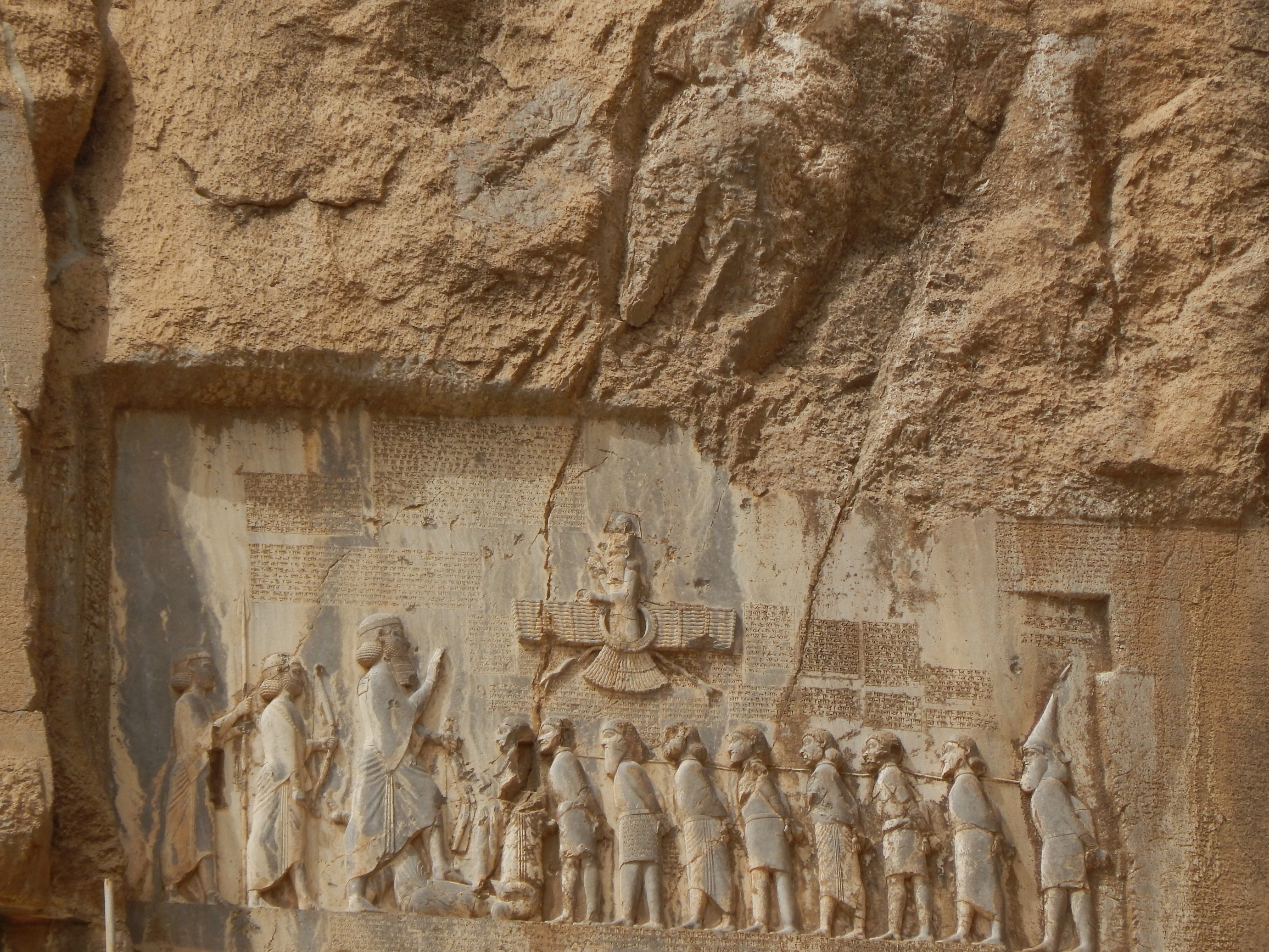
Many scholars believe that the Medes knew their land as Māda. No inscriptions or writings from the Medes themselves have survived, and our knowledge of them is derived mostly from Achaemenid inscriptions. In Darius’s well-known inscription at Behistun, this land is called “Māda.” The Greeks likewise recorded this name as Media. [2][1]
The Achaemenids
During the Achaemenid period, a unified name such as “Iran” was not used to refer to the entire empire. In the Achaemenid view, the imperial realm consisted of multiple lands or provinces, which in Old Persian were called dahyāva. All of these lands were under the rule of a single king, whom they called the King of Kings.
Darius the Great used expressions such as “these lands” or “this earth” to refer to his kingdom's territory.
In the Bisotun inscription in Kermanshah, Iran, he says:
“These are the countries which are subject unto me, and by the grace of Ahuramazda I became king of them: Persia, Elam, Babylonia, Assyria, Arabia, Egypt, …. twenty-three lands in all.” [3]
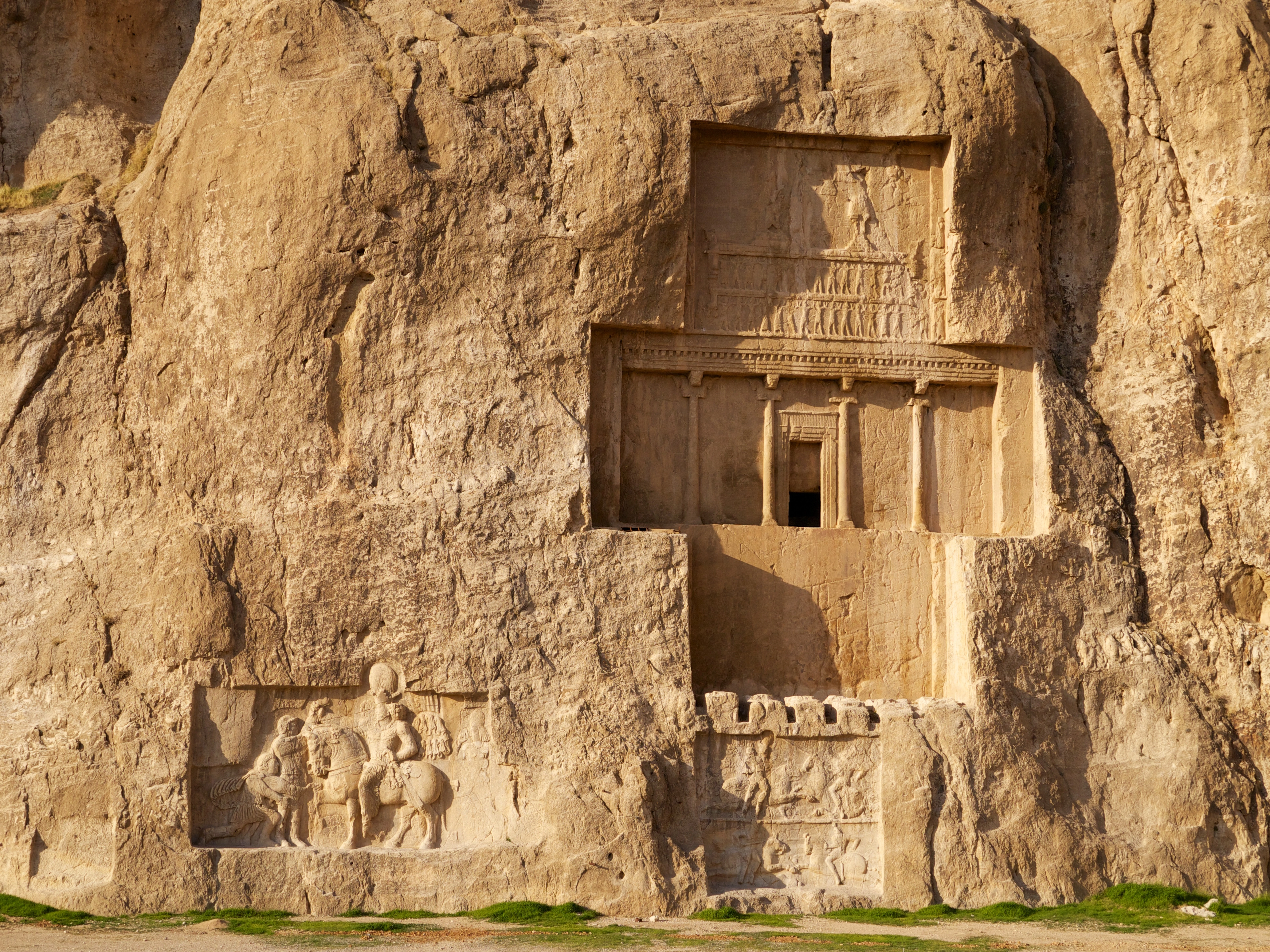
In another inscription at Naqsh-e Rostam in Fars, Iran, Darius likewise enumerates and refers to the lands under his rule in the same manner.
“I am Darius the great king, king of kings, king of countries containing all kinds of men, king in this great earth far and wide, son of Hystaspes, an Achaemenid, a Persian, son of a Persian, an Aryan, having Aryan lineage.” [4]
It is worth noting that Darius, and most likely the other Achaemenids as well, called themselves Aryan. In its ancient usage, the word “Arya” had a cultural and linguistic meaning. It referred to people who shared a common language, religion, and cultural traditions. [5]
Parthians
After the Achaemenids, during the Parthian period, political identity was formed around the institution of kingship and the person of the king. In this era, the king's position played the principal role in defining territory and power.
The title King of Kings, which in the Parthian language was called šāhān šāh, was used by rulers such as Mithridates II. This title signified his superiority over local rulers and demonstrated the empire's vast power. [6]
In their internal writings, the Parthians more often used expressions such as “the Arsacid realm” to refer to this land. However, in external sources, this territory was known as Parthia. This difference shows that the external and internal views of this land were not identical. [7]
Toward the end of the Parthian period, the term Aryanshahr gradually emerged. This word meant “the land of the Aryans” and may be regarded as a sign of the gradual formation of a broader name for this cultural and political sphere. [8]
The Emergence of the Name Iran
After overthrowing the Parthians, Ardashir I founded the Sasanian dynasty. For the first time in the history of this ancient land, around the year 226 CE, approximately 1,800 years ago, he used the word “Iran.” This name appears in his coronation relief at Naqsh-e Rostam.
In this relief, an inscription appears in three languages: Parthian, Middle Persian (Sasanian), and Greek. In the Middle Persian text, Ardashir introduces himself as “Ardashir, King of Kings of Iran,” and in the Parthian version as “King of Kings of the Aryans.”
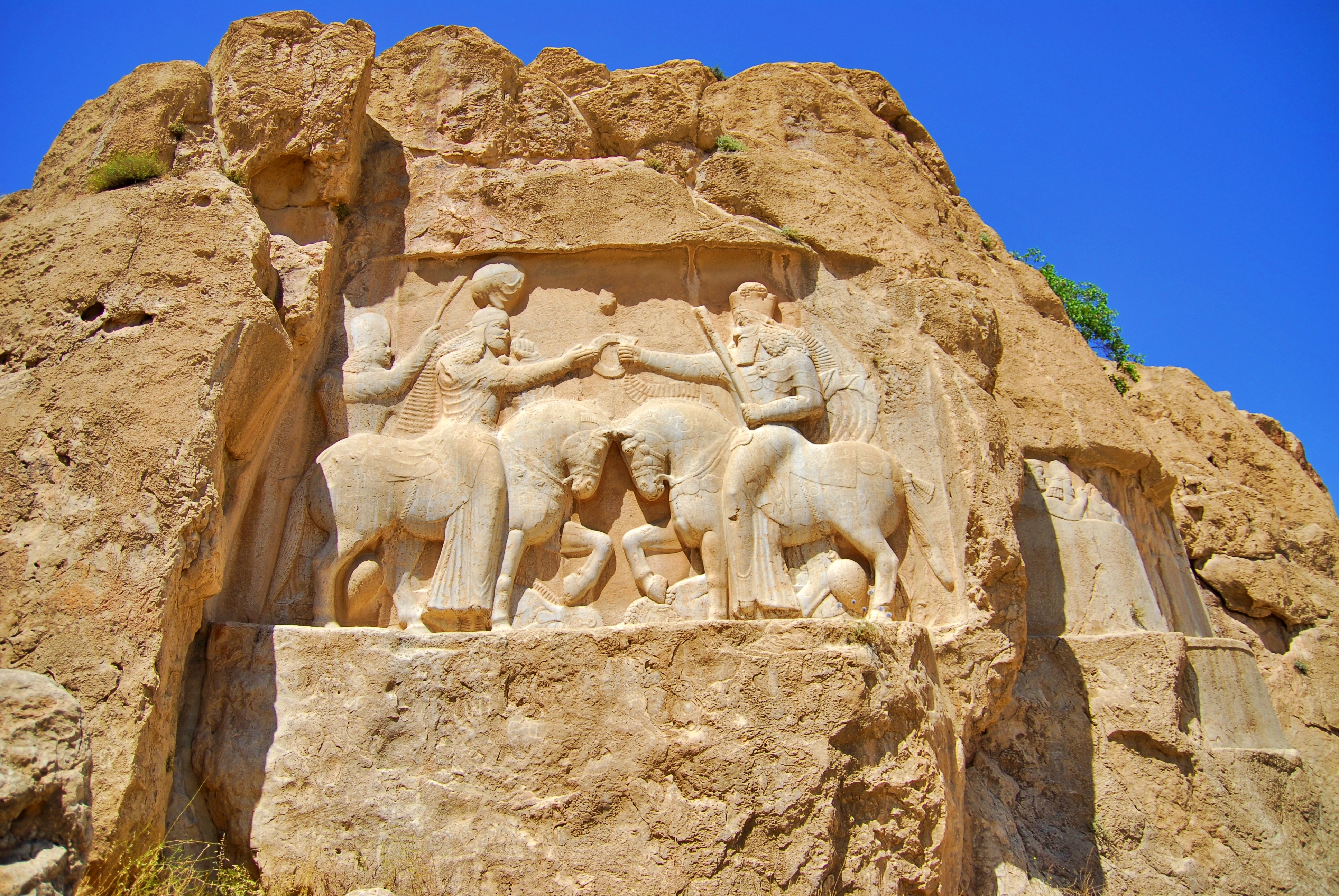
This section of the inscription shows that the word “Aryān” in the Parthian language was equivalent in meaning to “Iran” in Middle Persian. This point clarifies the linguistic and conceptual connection between the two words and shows that both names refer to the same concept.
After Ardashir, his son Shapur I followed the same practice. In an inscription on the wall of the Kaʿba of Zoroaster at Naqsh-e Rostam, he introduces himself in the Middle Persian text as “King of Kings of Iran and Aniran.” This expression reflects the extent of his dominion.
In this inscription, “Aniran” means non-Iran or non-Iranians. By using this title, Shapur I presented his realm as extending beyond his father's and emphasized his rule over the non-Iranian peoples of the Sasanian Empire as well. [9]
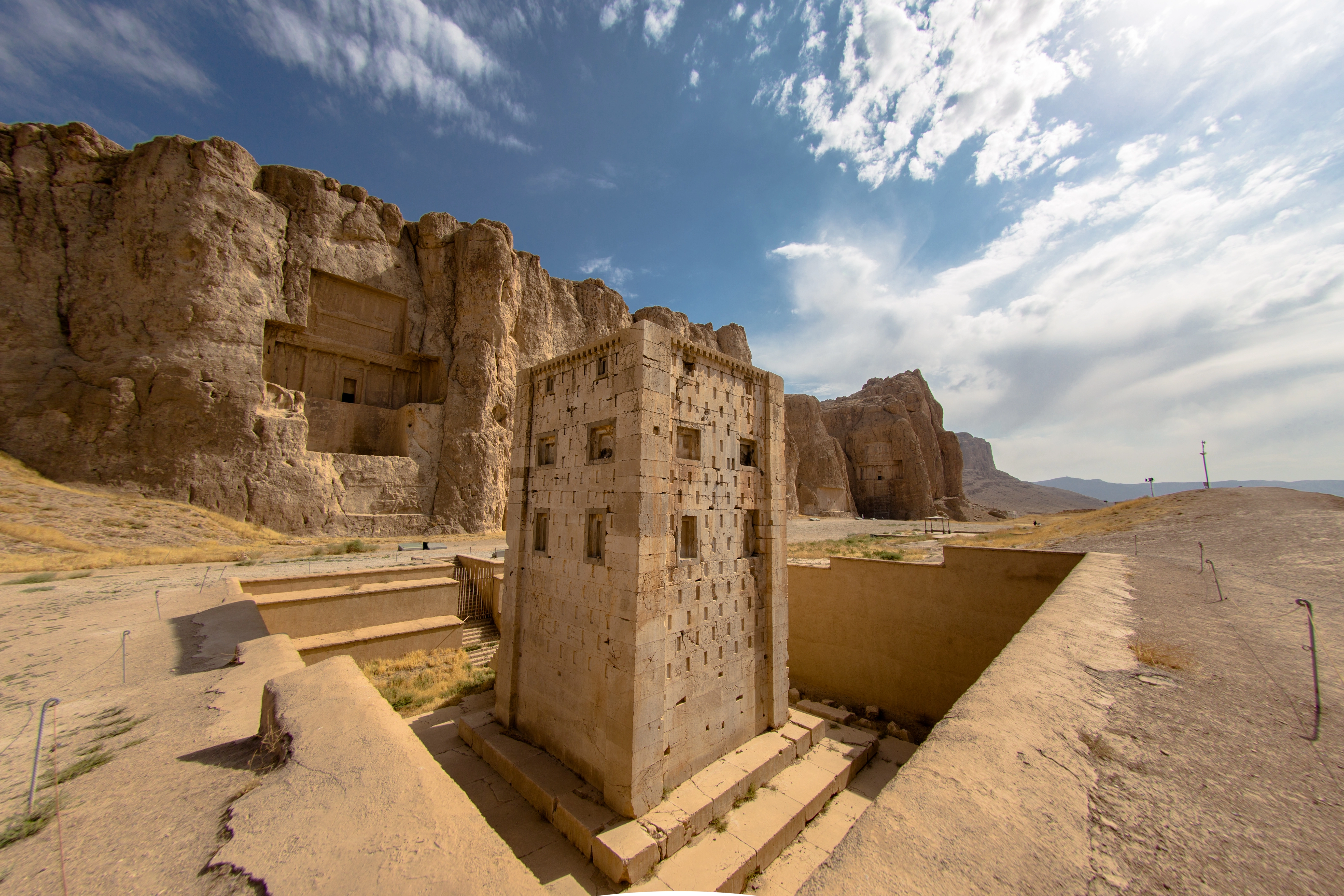
Another important point in this trilingual inscription is the first appearance of the word “Iranshahr.” In Middle Persian, this word was written as ērānšahr.
Shapur says in the Middle Persian text:
“I am the ruler of the kingdom of Iranshahr.”
The word Iranshahr is composed of two parts: “Iran” and “shahr.” The word shahr means “realm” or “domain,” which the Sasanians used to refer to the entire realm of the Iranians. This realm was not limited to Iranian peoples but also included non-Iranians living within the empire.
Simply put, during the Parthian period, the word “Aryān” was used to refer to the peoples of this land. In the Sasanian period, the word “Iran” replaced it. Alongside this, the word “Iranshahr” was used to designate the entire empire. Over time, and in everyday language, the “shahr” part of the word was dropped, and “Iran,” which originally referred to the people, gradually became the name of the land itself. [9]
As time passed, the concept of “Iran” gradually became tied to territory and geography, and as a result, the adjective “Iranian” (ērānag) also came into being. The emergence of this adjective is an important sign of the consolidation of Iran’s geographical identity. [9]
When an adjective is formed from the name of a place, that place has become established in the mind as a clear and recognized geography. For example, the adjective “American” is formed from the name “America.”
This change shows that the concept of Iran gradually expanded from a cultural and ethnic identity into a territorial identity.
The Iranian Intermezzo
Next, we turn to the name “Iran” during the Iranian Intermezzo period, that is, after the advent of Islam. This period begins in the seventh century CE with the fall of the Sasanians and continues until the early sixteenth century CE, coinciding with the rise of the Safavids. This period is sometimes called the “Iranian Intermezzo” because it lies between two important periods in Iranian history.
During the first six centuries of this period, Iran was no longer an independent political unit. At times, this land formed part of the Umayyad and Abbasid Caliphates and was governed from centers such as Medina, Damascus, or Baghdad. At other times, it was divided among local dynasties such as the Samanids in the east and the Buyids in the west.
Even in periods when the entire Iranian plateau was under the rule of major dynasties such as the Seljuks or the Khwarazmshahs, the name “Iran” was still not used as a political title. The rulers of these dynasties did not call themselves kings of Iran.
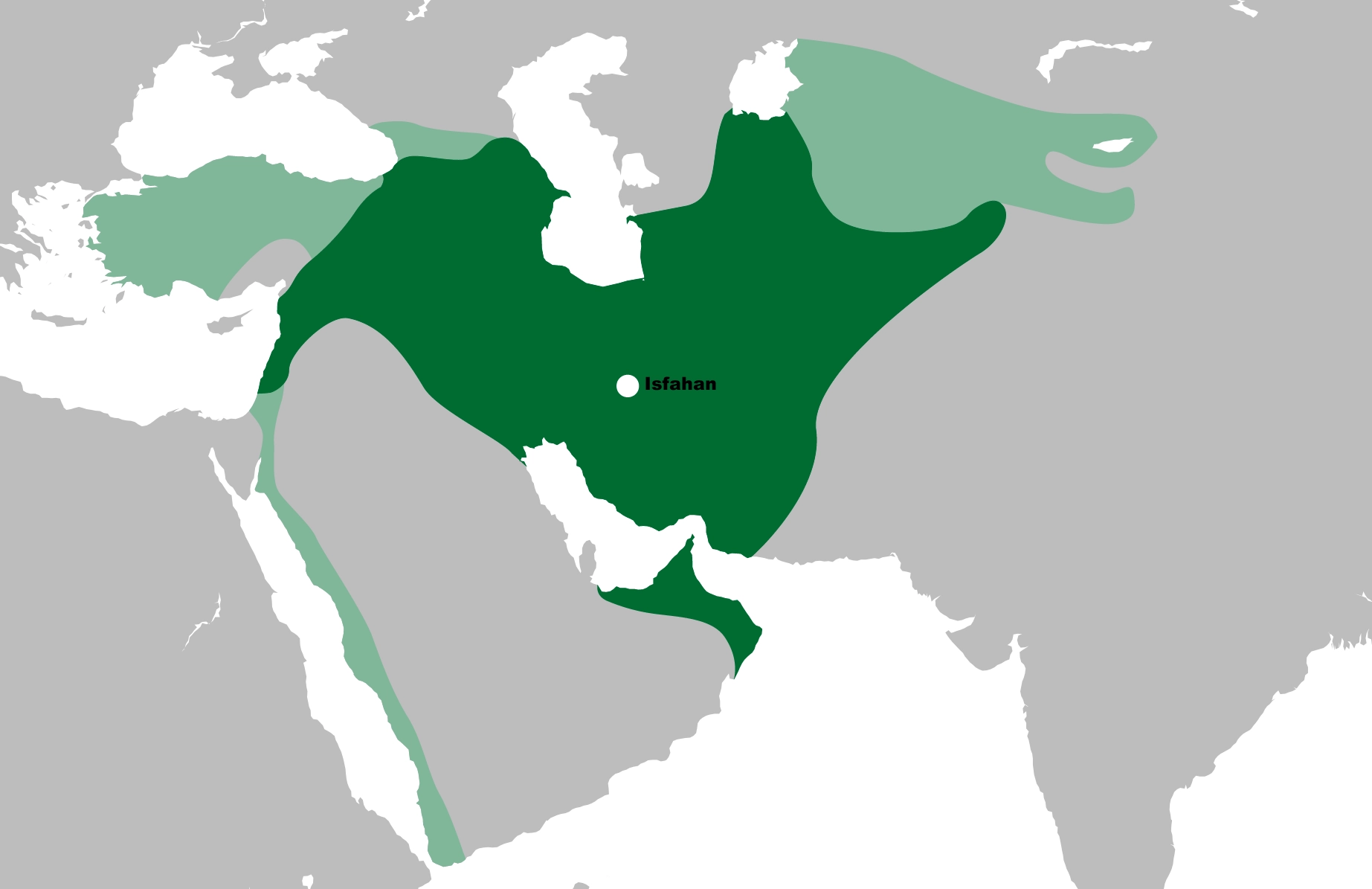
During these six centuries, although Iran had disappeared as a political unit, it remained alive in the collective memory as a cultural and geographical entity. During this period, the name Iran disappeared from administrative records, yet it continued to live on in Persian poetry and scholarly writings. Iran was no longer a country on the map, but it still endured as a cultural identity, a moral concept, and a symbol of lost grandeur.
Poets used the name Iran to express the distinction between the “self” and the “other.” This distinction clarified the boundary between Iranian identity on the one hand and Turkic and Arab identity on the other. In such an environment, Iran survived more in language and thought than in political structure. [8][10]
A prominent example of this outlook may be seen in Ferdowsi’s Shahnameh. This work was composed in the 11th century CE, about three and a half centuries after the fall of the Sasanians, and the name “Iran” appears in it nearly 800 times. [11]
“It would be a tragedy if Iran were to be destroyed,
and become a lair for leopards and elephants.”
The same outlook is evident in the works of Nizami Ganjavi in the 12th century CE. He calls Iran “the heart of the world”:
“All the world is the body, and Iran is the heart;
The teller feels no shame for this comparison.
Since Iran is the heart of the earth,
It is certain that the heart is better than the body.“
On the other hand, geographers, even those who wrote in Arabic, sometimes used the term “Iranshahr” to describe the Iranian plateau. The use of this term shows that the concept of Iran was still alive in their minds and language.
Abu Abdullah al-Muqaddasi, in the 10th century CE, wrote in his book Ahsan al-Taqasim fi Ma‘rifat al-Aqalim while describing the boundaries of Iran:
“And this region is the region of Iranshahr, and within it lies the navel (center) of the world.” [12]
The Return of “Iran” to the Political Sphere
Toward the end of the Iranian Intermezzo period, around 600 years after the fall of the Sasanians, the Mongol Ilkhans restored the name Iran to the political sphere. They inscribed this name on coins and seals. They also employed it in diplomatic correspondence, such as letters exchanged with the Pope or the kings of France. [13]
The Ilkhans, who ruled this land from the mid-13th to the mid-14th century CE, abandoned the traditional title of “Great Khan.” Instead, they called themselves the “Ilkhan of Iran” or the ruler of “Iran-zamin.” This choice shows that they sought to distinguish their political identity from the other branches of the Mongol Empire and to legitimize their rule.
During this period, in the works of historians such as Rashid al-Din Fazl Allah Hamadani, especially in the Jami‘ al-Tawarikh at the beginning of the 14th century CE, the term “Iran-zamin” appears repeatedly to describe the territory of the Ilkhans. [14]
Nevertheless, for the Ilkhans, Iran was primarily a geographical domain to govern rather than an ethnic or national identity. They remained Mongols and preserved their connection to Chinggisid traditions. Even after accepting Islam, they did not regard themselves as “Iranian,”
Modern Iran
About a century and a half after the fall of the Mongol Ilkhans, with the rise of the Safavids at the beginning of the sixteenth century CE, Iran entered a new period known as the era of “Modern Iran.”
Unlike the Ilkhans, who regarded themselves merely as rulers of Iran, the Safavid kings considered themselves Iranian. Shah Ismail, the founder of the Safavid dynasty, not only regarded himself as the king of Iran, but also claimed to be the true heir of the Kayanian kings. [15]
The Safavids consciously used the name Iran to create a political and religious distinction from the Ottoman Empire. During this period, expressions such as “the Guarded Domains of Iran” were inscribed on coins and entered official correspondence. This title continued to serve as the country’s official name until the end of the Qajar period. [10]
During the Qajar era, the people called themselves “Iranians” and their land “Iran.” This name appears frequently in writings and newspapers such as Vaqaye-e Ettefaqiyeh. Nevertheless, outside the country, Europeans continued to use the name “Persia,” which derived from the Greek tradition. This duality in naming persisted until the late Qajar period. [16]
This situation came to an end during the Pahlavi era, when the name Iran acquired official and international legal standing. In 1935, at the suggestion of Saeed Nafisi and by order of Reza Shah Pahlavi, countries around the world were asked to use the native and historical name “Iran” instead of “Persia” in official correspondence. This decision established the name “Iran” internationally. [17]
With the 1979 transformation of the political system through the Islamic Revolution, the name Iran became associated with a new governmental structure. The country’s official name was changed to the “Islamic Republic of Iran,” yet the word “Iran” remained the foundation of national identity. This name was preserved in the constitution and in all political institutions, and it did not lose its place.
During this period, many debates arose concerning the relationship between “Iranian” identity and “Islamic” identity. Nevertheless, the name Iran continued to endure as an overarching framework. In other words, different groups with different viewpoints, including Islamist movements, have used the name “Iran” to establish their position and gain legitimacy.
Conclusion
The name “Iran,” a transformed form of the word “Aryan,” meaning “the Aryans,” was first used by the founder of the Sasanian Empire. At the outset, this name was employed by Ardashir I to refer to the Aryan peoples of this land. After him, however, the term came to be used for all the peoples of this land, whether Aryan or non-Aryan.
In later periods, “Iran” gradually came to have a broader meaning and was also used to refer to the geographical territory of the land. Over a 600-year period, the name Iran lost its place in the political sphere, yet it persisted in literature, scholarly texts, and the collective memory of Iranian until it eventually returned to the political sphere.
“Iran” is a vessel that simultaneously encompasses the history, geography, and culture of this land.
Sources
Images
1. Korosh.091 - Own work, CC BY-SA 4.0, Wikimedia
2. Anmede - 120-Naqsh-e Rostam, CC BY-SA 2.0, Wikimedia
3. Pawel Ryszawa - Own work, CC BY 3.0, Wikimedia
4. Herbert Karim Masih - Own work, CC BY-SA 4.0, Wikimedia
Text
1. Igor M. Diakonoff, The Median History
2. Roland G. Kent, Old Persian: Grammar, Texts, Lexicon
3. Jona Lendering, The Behistun Inscription, Livius.org
4. Jona Lendering, DNa: The Inscription of Darius the Great at Naqsh-E Rustam, Livius.org
5. Rüdiger Schmitt, ARYANS entrance, Encyclopedia Iranica.
6. Ehsan Yarshater, ed. The Cambridge History of Iran
7. Strabo, Geography, Translated by Horace Leonard Jones
8. Gherardo Gnoli, The Idea of Iran: An Essay on Its Origin
9. MacKenzie, David Neil. ĒRĀN, ĒRĀNŠAHR entrance, Encyclopedia Iranica
10. Abbas Amanat, Iran: A modern history
11. Abu'l-Qasem Ferdowsi, The Shahnameh, ed. Djalal Khaleghi-Motlagh
12. Al-Muqaddasi, Ahsan al-Taqasim fi Ma'rifat al-Aqalim, ed. M. J. de Goeje
13. Bert G. Fragner, Die "Persophonie": Regionalität, Identität und Sprachkontakt in der Geschichte der asiatischen Welt.
14. David Morgan, The Mongols
15. Roger Savory, Iran Under the Safavids
16. Abbas Amanat, HISTORIOGRAPHY viii. QAJAR PERIOD entrance, Encyclopaedia Iranica
17. United Kingdom. Parliament. Hansard House of Commons Debates. Persia (Official Name).